
15 Must-Visit Tourist Places in Mexico
Why Mexico Is One of the World's Most Visited Countries
Mexico consistently ranks among the top 10 most visited countries in the world, welcoming over 40 million international tourists each year. And it is easy to understand why: the country offers an extraordinary combination of ancient ruins, pristine beaches, colonial cities, vibrant culture, world-class cuisine, and some of the warmest people you will ever meet.
From the turquoise waters of the Caribbean to the copper-walled canyons of the Sierra Madre, from the bustling streets of Mexico City to the silent majesty of Mayan pyramids emerging from the jungle, Mexico is a country that defies any single description. It is vast, diverse, and endlessly surprising.
In this guide, we have curated 15 destinations that represent the full spectrum of what Mexico has to offer. Whether you are a beach lover, a history buff, an adventure seeker, or a food traveler, there is a place on this list calling your name.
Source: Ferhat Deniz Fors — Unsplash
1. Chichen Itza: The Wonder of the World
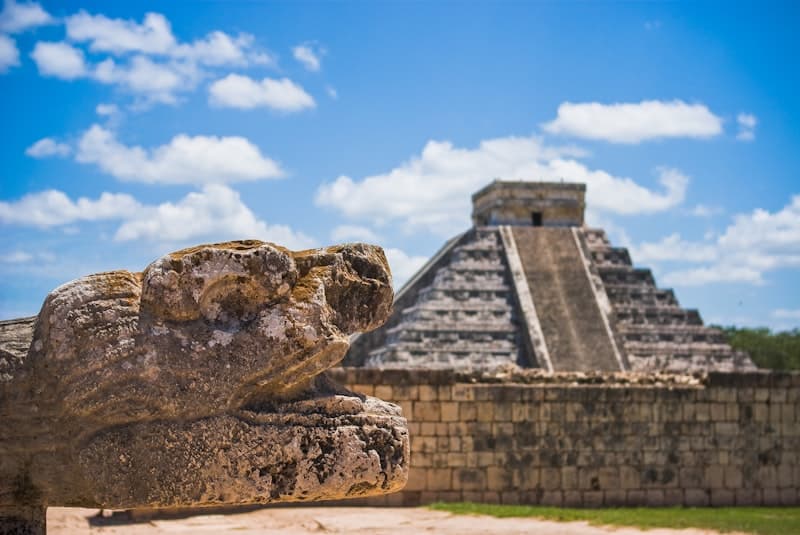
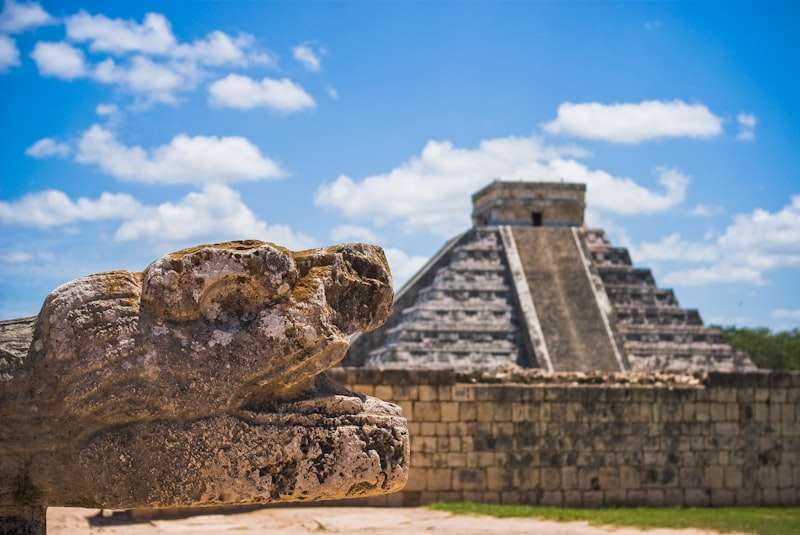
Chichen Itza is not just Mexico's most famous archaeological site — it is one of the New Seven Wonders of the World. The iconic pyramid of Kukulkan (El Castillo) dominates the landscape, a mathematical and astronomical marvel built by the Maya civilization over 1,000 years ago.
During the spring and autumn equinoxes, the setting sun casts a shadow on the pyramid's staircase that creates the illusion of a serpent descending to the ground — a phenomenon that draws tens of thousands of visitors every year. The precision required to achieve this effect is a testament to the Maya's extraordinary understanding of astronomy.
Beyond the pyramid, Chichen Itza is a vast complex that includes the Great Ball Court (the largest in Mesoamerica), the Temple of the Warriors, the Observatory (El Caracol), and the Sacred Cenote, a natural sinkhole where offerings were made to the rain god Chaac.
Best time to visit: November through March (dry season, cooler temperatures). Arrive at opening time (8 AM) to beat the crowds and the midday heat. The equinox events (March 20-21 and September 22-23) are spectacular but extremely crowded.
Budget tip: Hire a certified guide at the entrance — they bring the ruins to life with stories and details you would never notice on your own. Expect to pay around $50 USD for a group tour.
2. Cancun and the Riviera Maya: Caribbean Paradise
The Riviera Maya stretches along the Caribbean coast of the Yucatan Peninsula, from Cancun in the north to Tulum in the south. This 130-kilometer corridor is home to some of the most beautiful beaches in the world, with powdery white sand and water so blue it almost looks artificial.
Cancun is the gateway, with its famous Hotel Zone — a 23-kilometer strip of luxury resorts, restaurants, and nightclubs. But venture beyond the hotel strip and you will find El Centro, the real city where locals live, eat, and shop at prices a fraction of the tourist zone.
Playa del Carmen offers a more bohemian vibe, with its pedestrian Fifth Avenue lined with shops, restaurants, and street performers. It is also the departure point for ferries to Cozumel, one of the world's top scuba diving destinations.
Tulum is the southern gem — a cliffside Mayan ruin overlooking the Caribbean, surrounded by cenotes and eco-hotels. It has become a magnet for digital nomads and wellness seekers, though it is now at risk of losing its charm to overdevelopment.
Best time to visit: December through April. Hurricane season runs June through November, with September and October being the riskiest months.
3. Mexico City: The Megalopolis That Has It All
Mexico City (CDMX) is one of the largest and most dynamic cities in the world, home to over 21 million people in its metropolitan area. It is a place where Aztec temples sit beneath colonial churches, which sit next to brutalist architecture, which sits next to cutting-edge contemporary design. Layers upon layers of history, all coexisting in organized chaos.
Must-see highlights:
- Zocalo: The main square, one of the largest in the world, flanked by the National Palace (with Diego Rivera murals) and the Metropolitan Cathedral
- Templo Mayor: The ruins of the Aztec main temple, discovered accidentally in 1978 during utility work, now an extraordinary museum
- Chapultepec Park: One of the largest urban parks in the Western Hemisphere, containing the National Museum of Anthropology (arguably the best museum in Latin America), Chapultepec Castle, and a zoo
- Coyoacan: The bohemian neighborhood where Frida Kahlo lived, with its colorful markets and the Casa Azul museum
- Roma and Condesa: The trendy neighborhoods with tree-lined streets, Art Deco architecture, and some of the best restaurants in the Americas
Budget tip: CDMX is remarkably affordable for a world-class city. Street food meals cost $1-3 USD, museums are often free on Sundays, and the metro system covers the entire city for just $0.30 USD per ride.
4. Oaxaca: The Cultural Heart of Mexico
If you can only visit one place in Mexico beyond the beaches and the capital, make it Oaxaca. This southern state is a treasure trove of indigenous culture, world-class cuisine, ancient ruins, and natural wonders.
The city of Oaxaca is a colonial gem with colorful buildings, cobblestone streets, and a vibrant art scene. The central market (Mercado Benito Juarez) is a sensory overload of mole pastes, chapulines (toasted grasshoppers), fresh tlayudas, and handwoven textiles.
Oaxaca is the gastronomic capital of Mexico. The state is famous for its seven moles, mezcal (the smoky cousin of tequila), tlayudas (giant crispy tortillas), memelas, tasajo, and chapulines. Many of Mexico's most celebrated chefs hail from Oaxaca or draw deep inspiration from its traditions.
Do not miss:
- Monte Alban: A spectacular Zapotec hilltop city dating back to 500 BCE, with panoramic views of the valley
- Hierve el Agua: Petrified waterfalls and natural infinity pools overlooking the mountains
- Mezcal route: Visit artisanal mezcal distilleries (palenques) in the surrounding villages
- Day of the Dead (November 1-2): Oaxaca has the most authentic and moving Dia de Muertos celebrations in Mexico
Best time to visit: October through November (for Dia de Muertos) or March through May (dry and warm). July is the Guelaguetza festival — a massive celebration of indigenous dance and culture.
5. San Miguel de Allende: Colonial Elegance
Voted the best city in the world by Travel + Leisure readers multiple times, San Miguel de Allende is a colonial jewel in the central highlands of Mexico. Its cobblestone streets, baroque architecture, and the iconic pink-hued Parroquia (parish church) create one of the most photogenic townscapes in the Americas.
San Miguel has become a magnet for artists, retirees, and expatriates, giving it a cosmopolitan energy that blends Mexican tradition with international sophistication. The town is small enough to walk everywhere, and every corner reveals another beautiful facade, another art gallery, another rooftop terrace with views of the surrounding hills.
Best time to visit: Year-round, but September is especially magical with the Independence Day celebrations and the famous alborada — a dawn fireworks spectacle that shakes the entire town awake.
Budget tip: While San Miguel's restaurants cater to tourists and can be pricey, the central market (Mercado de Artesanias) offers excellent, affordable food. The town is walkable, so you will not need transportation.
6. Guanajuato: The Colorful Underground City
Guanajuato is a city that feels like it was designed by a painter on a particularly inspired day. Built in a narrow ravine, its buildings cascade down the hillsides in every color imaginable — pink, yellow, green, orange, turquoise — creating a visual spectacle that is breathtaking from any vantage point.
What makes Guanajuato truly unique is its network of underground tunnels. Originally built as waterways for the river that ran through the city, they were converted into roads after the river was diverted. Driving through these tunnels is a surreal experience — you descend into the earth and emerge in a different part of the city.
Guanajuato is also a university city, which gives it a youthful energy. The callejoneadas — nighttime strolls through narrow alleys accompanied by student musicians dressed as medieval troubadours — are a beloved tradition.
Must-see: The Callejon del Beso (Alley of the Kiss), the Alhondiga de Granaditas (key site in the Independence War), the panoramic viewpoint from the Pipila monument, and the Mummy Museum (not for the faint of heart).
7. Hierve el Agua: Nature's Infinity Pool
About 70 kilometers east of Oaxaca City, Hierve el Agua is one of Mexico's most extraordinary natural formations. Two cliffs with petrified mineral waterfalls cascade down the mountainside, and at the top, natural infinity pools filled with mineral-rich spring water offer panoramic views of the valley below.
The name means "the water boils" — not because the water is hot, but because it bubbles up from underground springs. Over thousands of years, the mineral deposits have created formations that look exactly like frozen waterfalls. Swimming in the natural pools while gazing at the mountains is one of those experiences that stays with you forever.
How to get there: You can drive from Oaxaca City (about 1.5 hours) or take a colectivo (shared van) from the town of Mitla. The road is winding but paved. Bring water, sunscreen, and a swimsuit.
Budget tip: Entry fee is around $1-2 USD. Bring your own food and drinks as options at the site are limited. Combine the visit with a stop at the Zapotec ruins of Mitla on the way.
8. Yucatan Cenotes: Swimming in Sacred Waters
The Yucatan Peninsula sits atop a massive limestone shelf, and beneath its surface lies an interconnected network of thousands of cenotes — natural sinkholes filled with crystal-clear freshwater. The ancient Maya considered cenotes sacred, believing them to be entrances to Xibalba, the underworld.
Today, cenotes are among Mexico's most magical attractions. Some are open to the sky, surrounded by jungle. Others are partially covered, with tree roots hanging down like curtains. And some are entirely underground, illuminated only by shafts of light piercing through holes in the cave roof.
Top cenotes to visit:
- Cenote Suytun (Valladolid): An underground cenote with a single beam of light illuminating a stone platform — incredibly photogenic
- Cenote Ik Kil (near Chichen Itza): A deep, open cenote with vines cascading down the walls, popular but stunning
- Gran Cenote (Tulum): Crystal-clear water, snorkeling with turtles, and cave formations
- Cenote Dos Ojos (Tulum): Two connected cenotes famous for cave diving — one of the longest underwater cave systems in the world
- Cenotes of Homun: A cluster of lesser-known cenotes near Merida, less crowded and more authentic
9. Copper Canyon (Barrancas del Cobre): Mexico's Grand Canyon
The Copper Canyon system in the Sierra Tarahumara of Chihuahua state is larger and deeper than the Grand Canyon in Arizona. It is a network of six interconnected canyons with a total length of over 600 kilometers, carved by rivers over millions of years. The canyon walls are tinged with green and copper — hence the name.
The best way to experience Copper Canyon is aboard the Chepe (Chihuahua-Pacific Railway), one of the most scenic train rides in the world. The route runs 653 kilometers from Los Mochis on the Pacific coast to Chihuahua city, climbing through 86 tunnels and crossing 37 bridges as it traverses the Sierra Madre.
The canyon is home to the Raramuri (Tarahumara) people, one of Mexico's most remarkable indigenous groups, famous for their long-distance running abilities. Visiting their communities (respectfully) is a humbling experience.
Best time to visit: October through November (fall foliage) or March through April (spring, wildflowers). Winters can be cold at altitude, and summers bring heavy rains.
Budget tip: The Chepe offers two classes — the tourist "Chepe Express" and the local "Chepe Regional." The regional train is slower and stops at more stations, but it costs a fraction of the price and offers a more authentic experience.
10. Puerto Vallarta: Where Mountains Meet the Sea
Puerto Vallarta sits on the Pacific coast where the Sierra Madre mountains plunge dramatically into the Bay of Banderas, one of the largest bays in the world. This geography gives Vallarta a setting that few beach destinations can match — lush green mountains as a backdrop to golden sand beaches.
Unlike Cancun's purpose-built hotel strip, Vallarta is a real Mexican city with a charming old town (Centro), a famous malecon (boardwalk) lined with sculptures, and a vibrant food scene that ranges from beach shack ceviche to chef-driven tasting menus.
Highlights: Whale watching (December-March, humpback whales), the Marietas Islands (hidden beach accessible only by swimming through a tunnel), the Romantic Zone's restaurants and nightlife, and boat trips to the secluded beaches of Yelapa and Las Animas.
Best time to visit: November through May (dry season). December through March for whale watching. Avoid September-October (peak hurricane/rain season).
11-15: Five More Destinations You Cannot Miss
Our final five destinations round out the ultimate Mexico travel list:
11. Teotihuacan: Just 50 km from Mexico City, the Pyramids of the Sun and Moon are among the largest in the ancient world. Arrive at dawn for a mystical experience as the sun rises over the Avenue of the Dead. The city was once home to 200,000 people and remains one of archaeology's greatest mysteries — we still do not know who built it.
12. Palenque: Deep in the Chiapas jungle, Palenque is the most atmospheric of all Maya sites. The Temple of the Inscriptions, where King Pakal's jade-encrusted tomb was discovered in 1952, is surrounded by howler monkeys and mist-shrouded trees. Stay in the nearby town and visit at opening time when the ruins emerge from the morning fog.
13. Isla Holbox: A car-free island off the north coast of the Yucatan, Holbox is what Tulum was 20 years ago: laid-back, uncrowded, and breathtakingly beautiful. Bioluminescent waters glow at night, whale sharks visit from June to September, and the pace of life is measured in hammock swings per hour.
14. Real de Catorce: A ghost town turned magic town in the desert of San Luis Potosi. Accessible only through a 2.3 km tunnel carved through the mountain, Real de Catorce was once a prosperous silver mining town. Today, its crumbling buildings, desert landscapes, and spiritual energy (it is sacred to the Huichol people) make it one of Mexico's most hauntingly beautiful places.
15. Taxco: The silver capital of Mexico, Taxco is a hillside colonial town in Guerrero where seemingly every other shop sells handcrafted silver jewelry. The winding streets, the baroque Santa Prisca church, and the surrounding mountains make it a perfect day trip from Mexico City or a peaceful overnight stay.
- Safety: Mexico is generally safe for tourists in the major destinations listed here. Use common sense, avoid flashing expensive items, and stick to well-traveled areas at night.
- Transportation: Domestic flights are affordable (check Volaris and VivaAerobus). First-class buses (ADO, ETN) are comfortable and reliable. Uber and DiDi work in major cities.
- Money: ATMs are widely available. Credit cards are accepted in tourist areas. Always carry some cash for markets, street food, and tipping.
- Language: Spanish helps enormously, especially outside tourist zones. Even basic phrases will open doors and earn you smiles.
- Tipping: 10-15% at restaurants. A few pesos for bag carriers, gas station attendants, and parking attendants.
Mexico is a country that rewards the curious traveler. Behind every corner, there is a story — of ancient civilizations, of colonial ambition, of revolution and resilience, of communities that have maintained their traditions for millennia. The 15 destinations on this list are just the beginning. Once Mexico gets under your skin, you will keep coming back.
Comments
Sign in to leave a comment
No comments yet. Be the first!